An Experienced Celebrant for Jewish Civil Weddings
A Jewish wedding ceremony is a meaningful celebration of love, tradition, and commitment.
As an experienced Sydney Marriage Celebrant, I create Jewish-style civil wedding ceremonies that honour your heritage while reflecting your unique love story.
Every ceremony is carefully crafted with warmth, professionalism, and attention to detail to ensure a memorable and personal experience.
✨ A Ceremony Designed Around You
Your Jewish-style wedding ceremony can include:
- A personalised civil wedding ceremony reflecting your beliefs and traditions
- Jewish customs blended with your partner’s background
- Hebrew and/or English elements where desired
- Full flexibility to be religious, traditional, or secular
- Guidance while keeping full control over your ceremony choices
💍 Your Jewish-Style Wedding Ceremony Includes
When you book your ceremony with me, you receive full support from legal preparation through to the wedding day.
Ceremony Experience
- Authorised Sydney Marriage Celebrant
- Personalised ceremony script written and approved by you
- Jewish and interfaith ceremony options
- Optional cultural rituals of your choice
Planning & Support
- Unlimited communication via phone, email, WhatsApp or video call
- Step-by-step guidance throughout the process
- Rehearsal available if required
- Calm and supportive approach from start to finish
Legal Requirements
- Completion and lodgement of all legal documents
- Witnessing and registration with NSW Births, Deaths & Marriages (BDM)
- NOIM guidance and paperwork support
On-the-Day Service
- Arrival and ceremony setup
- Conducting your wedding ceremony
- Portable PA system and Bluetooth music
- Assistance with ceremony flow and setup
Locations
- Anywhere in Sydney and surrounding areas
- Beaches, gardens, homes, or private venues
After the Ceremony
- Lodgement of legal documents
- Support with marriage certificate application
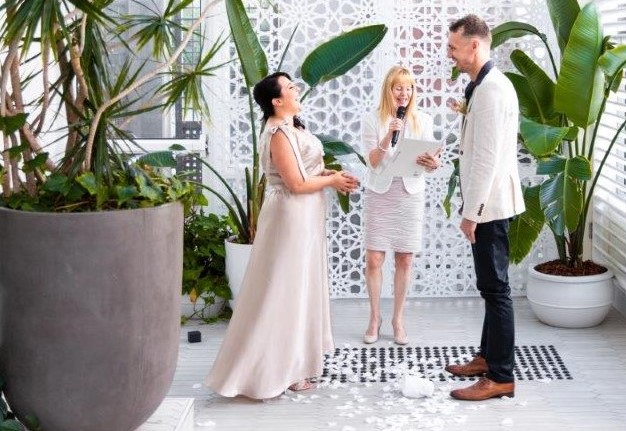

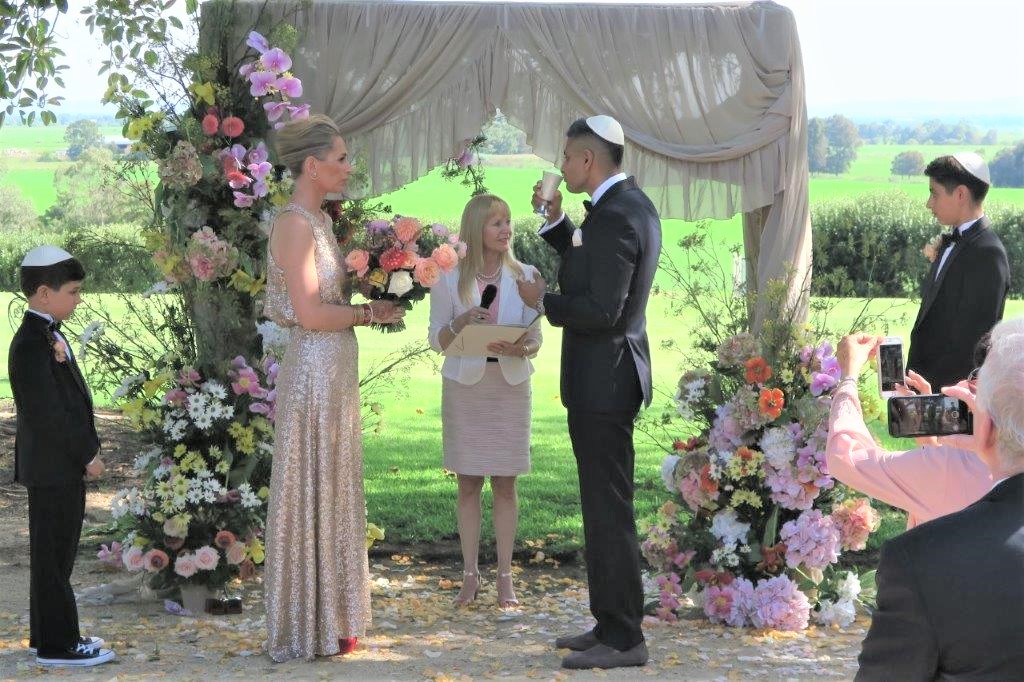
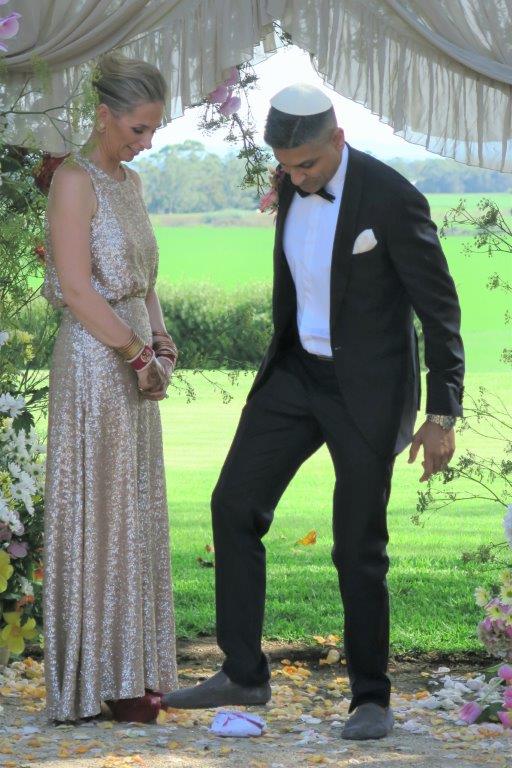
Jewish Traditions That Can Be Included in Your Wedding Ceremony
Your Jewish-style civil wedding ceremony can include meaningful traditions that reflect your heritage, values, and personal preferences.
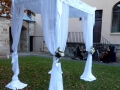
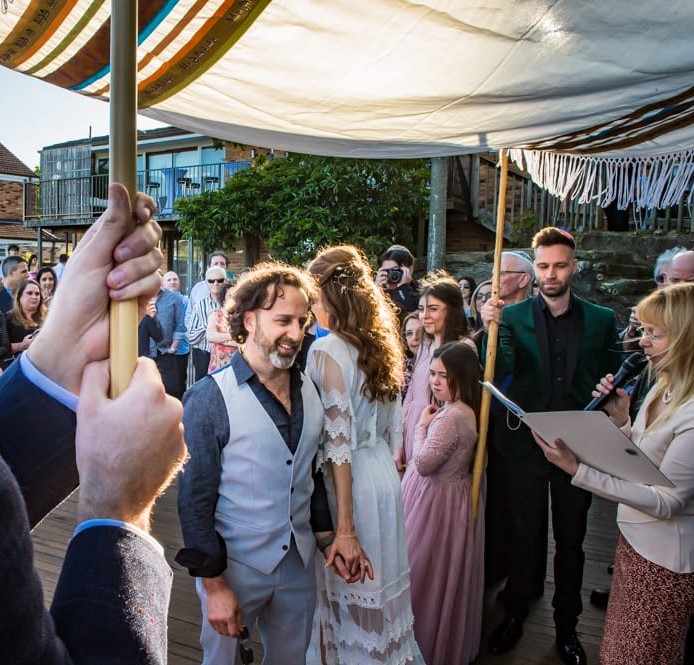
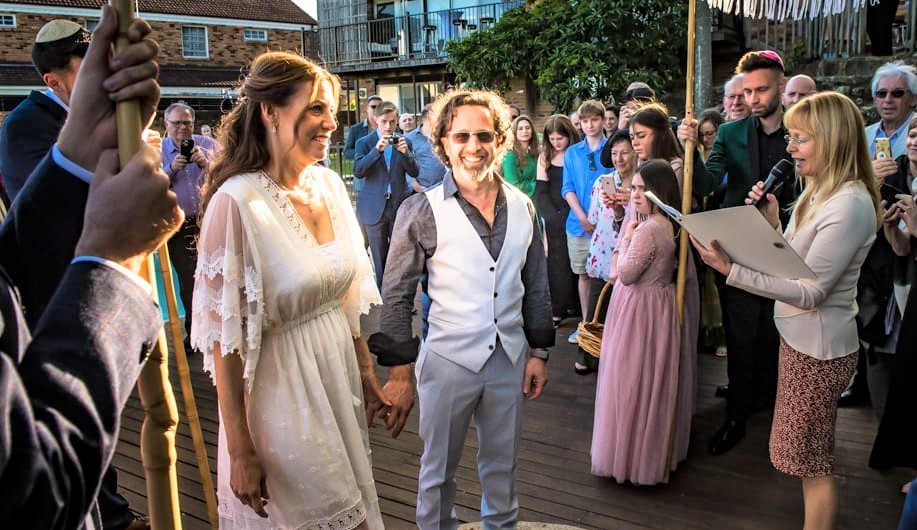
⛩️ The Chuppah
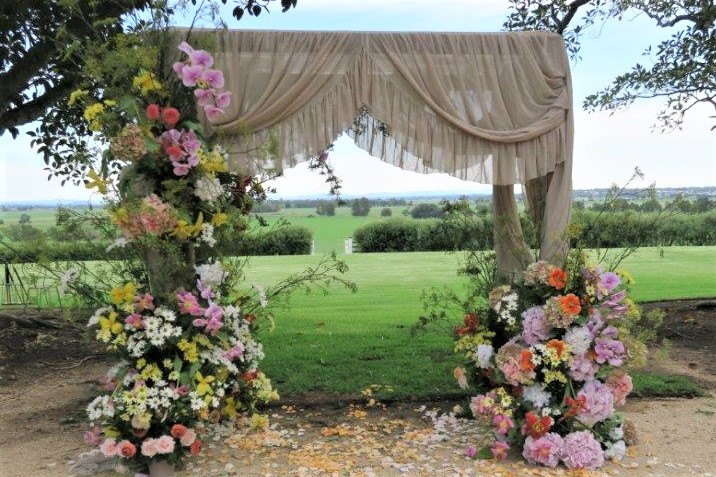
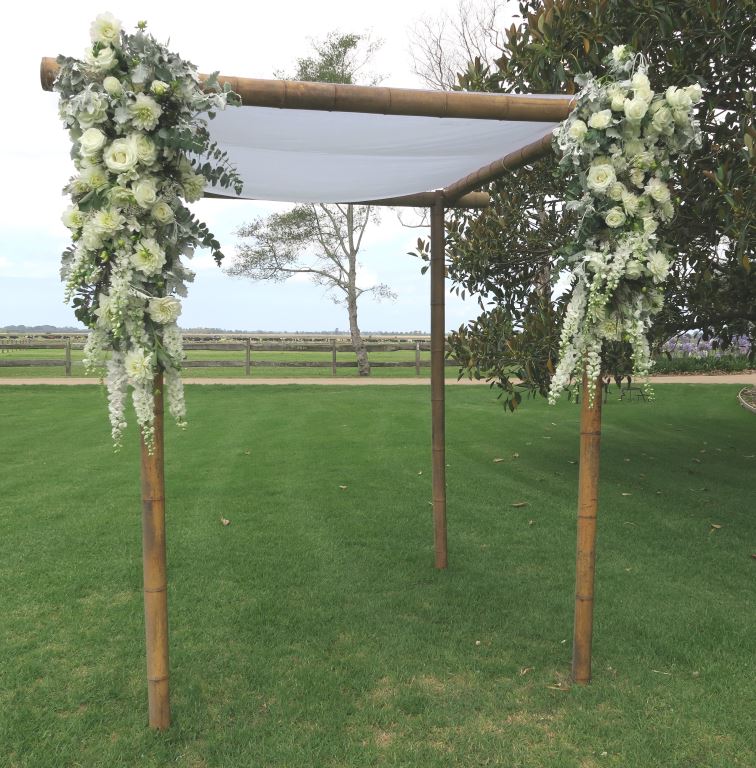
A ceremonial canopy symbolising the couple’s shared home and future together.
💍 Ring Exchange
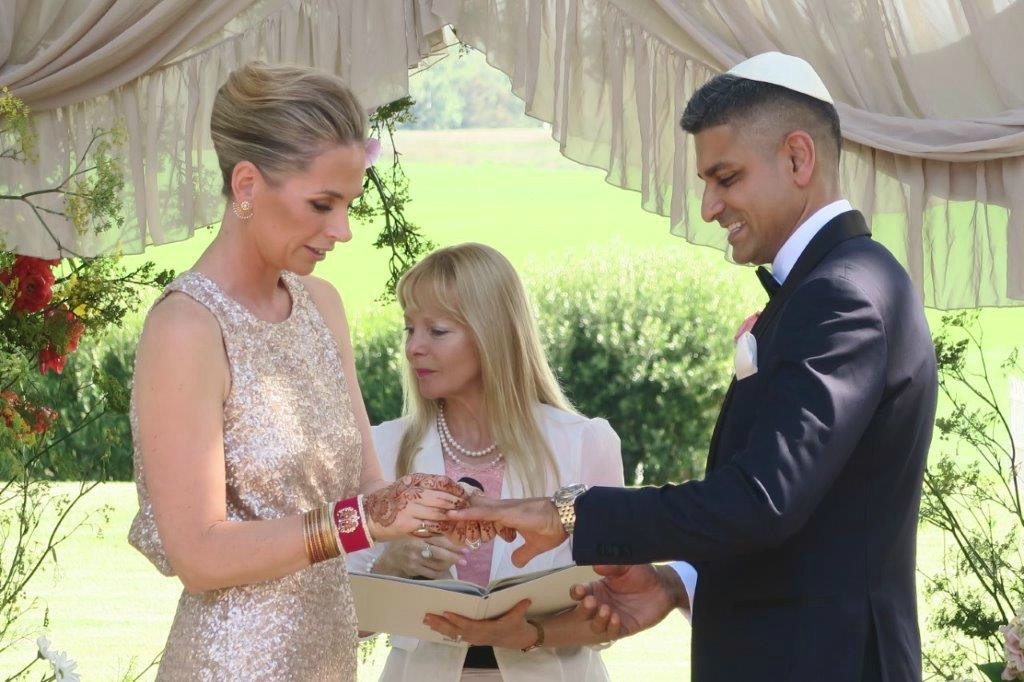
The groom traditionally gives the bride a ring as a symbol of commitment and marriage.
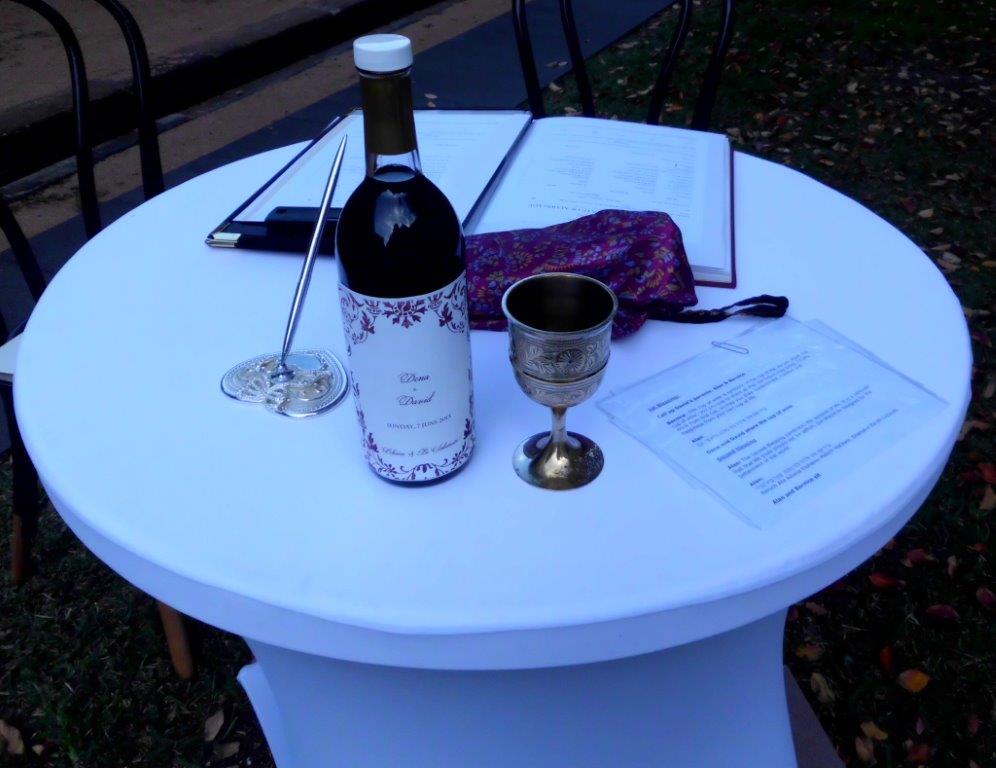
🍷 Kiddushin
A blessing over wine marking the sanctification and beginning of the marriage.
🔁 The Seven Circles
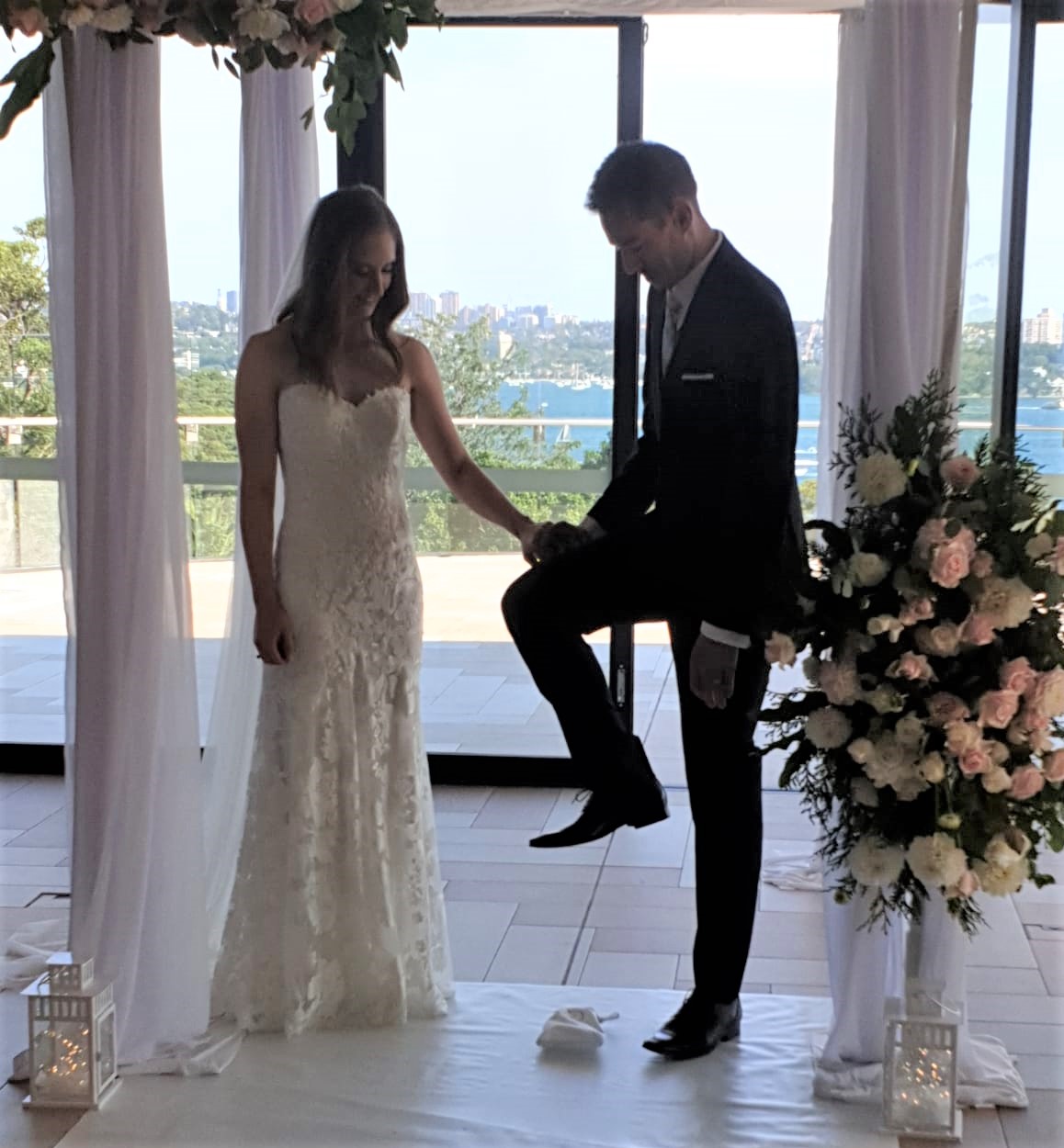
The bride circles the groom seven times, symbolising unity, creation, and a shared future.
✨ The Seven Blessings (Sheva Brachot)
Traditional blessings honouring love, joy, creation, and the couple’s new life together.
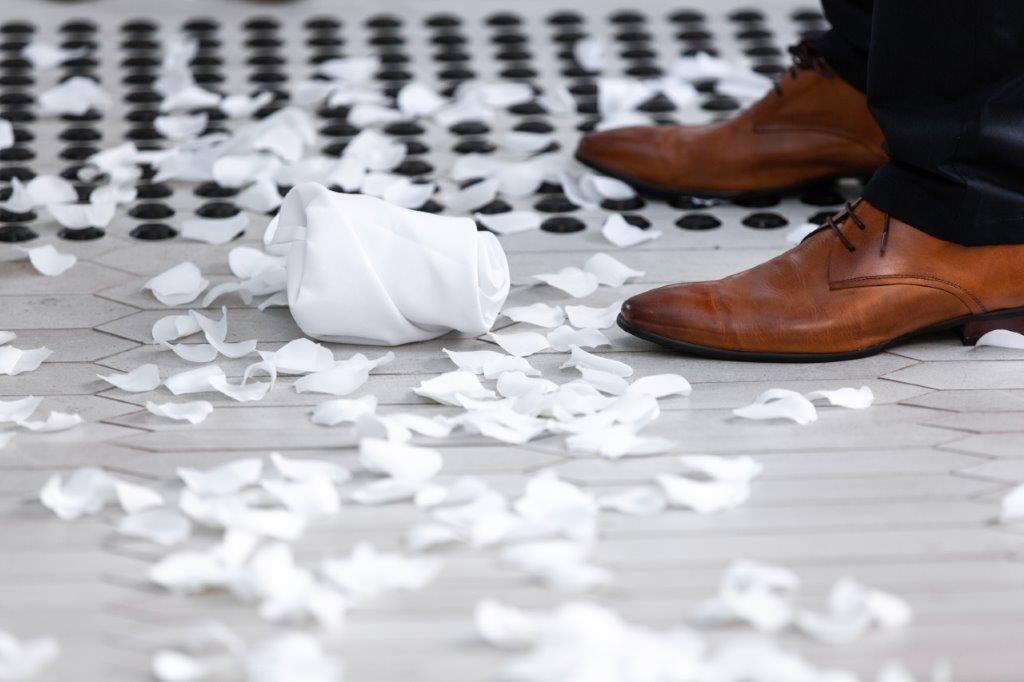
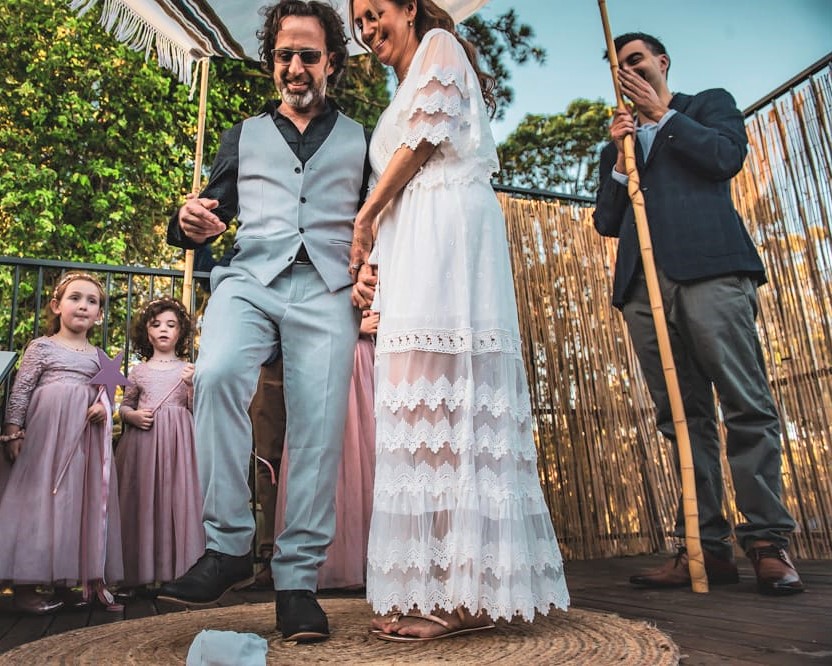
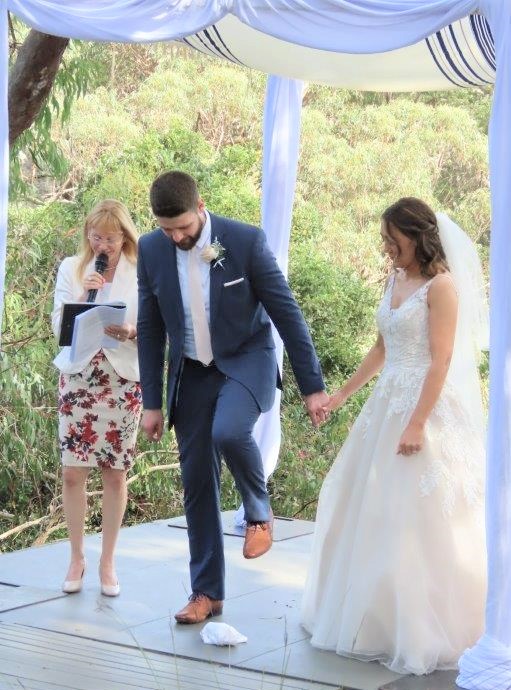
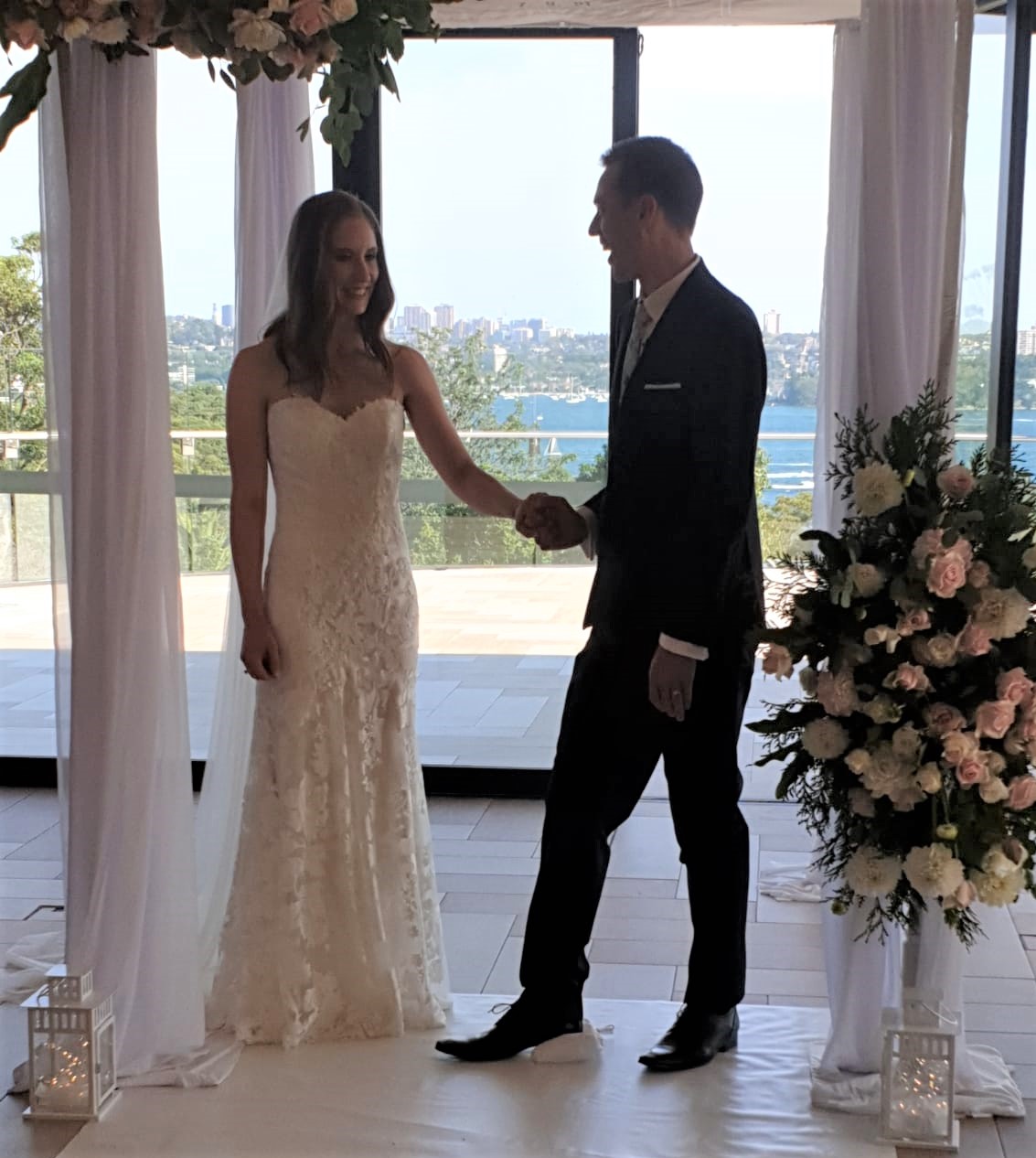
🥂 Breaking of the Glass
A symbolic moment remembering tradition, fragility, and the celebration of new beginnings with “Mazel Tov!”
These traditions can be included fully or adapted into a modern civil ceremony to reflect your personal beliefs and relationship.
Mazal Tov
Featured on Hello May blog.
💬 Real Wedding Stories
Featured: Interfaith Jewish Wedding
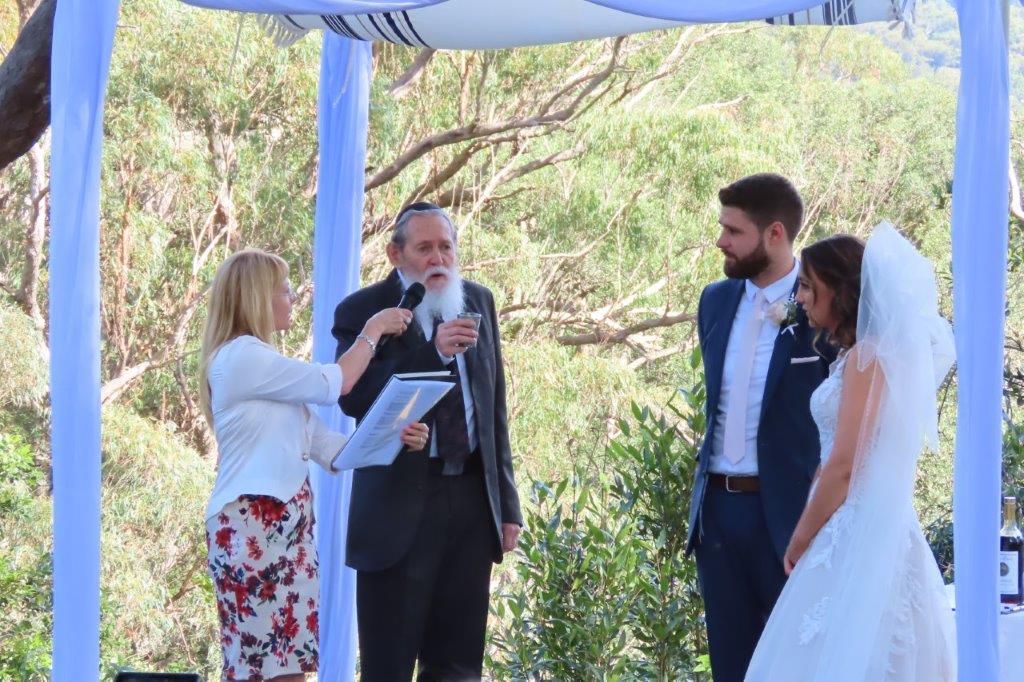
This ceremony combined Jewish and Christian traditions, reflecting both families beautifully. The couple chose selected Jewish customs including Kiddush and the Chuppah, creating a meaningful blended ceremony.
Additional Ceremonies
Some couples choose a full Jewish ceremony, while others include only selected rituals depending on their background and preferences.
Each ceremony is tailored individually to reflect the couple’s vision and values.
✨ About Your Ceremony
Whether you are planning a traditional Jewish-style wedding, an interfaith ceremony, or a modern civil celebration with cultural elements, your ceremony is designed to reflect your story.
Every wedding is unique, meaningful, and created with care.
📍 Jewish Weddings in Sydney
I officiate Jewish-style wedding ceremonies across Sydney and NSW.
💍 Enquire About Your Jewish Wedding Ceremony
If you are planning a Jewish-style wedding ceremony in Sydney, I would love to help you create a meaningful and personalised celebration.
Contact me.
A Jewish Wedding
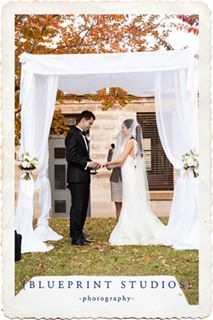
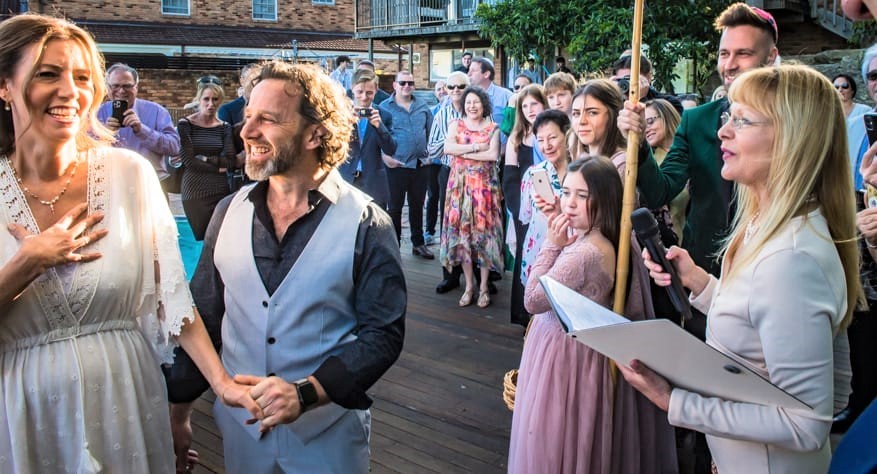
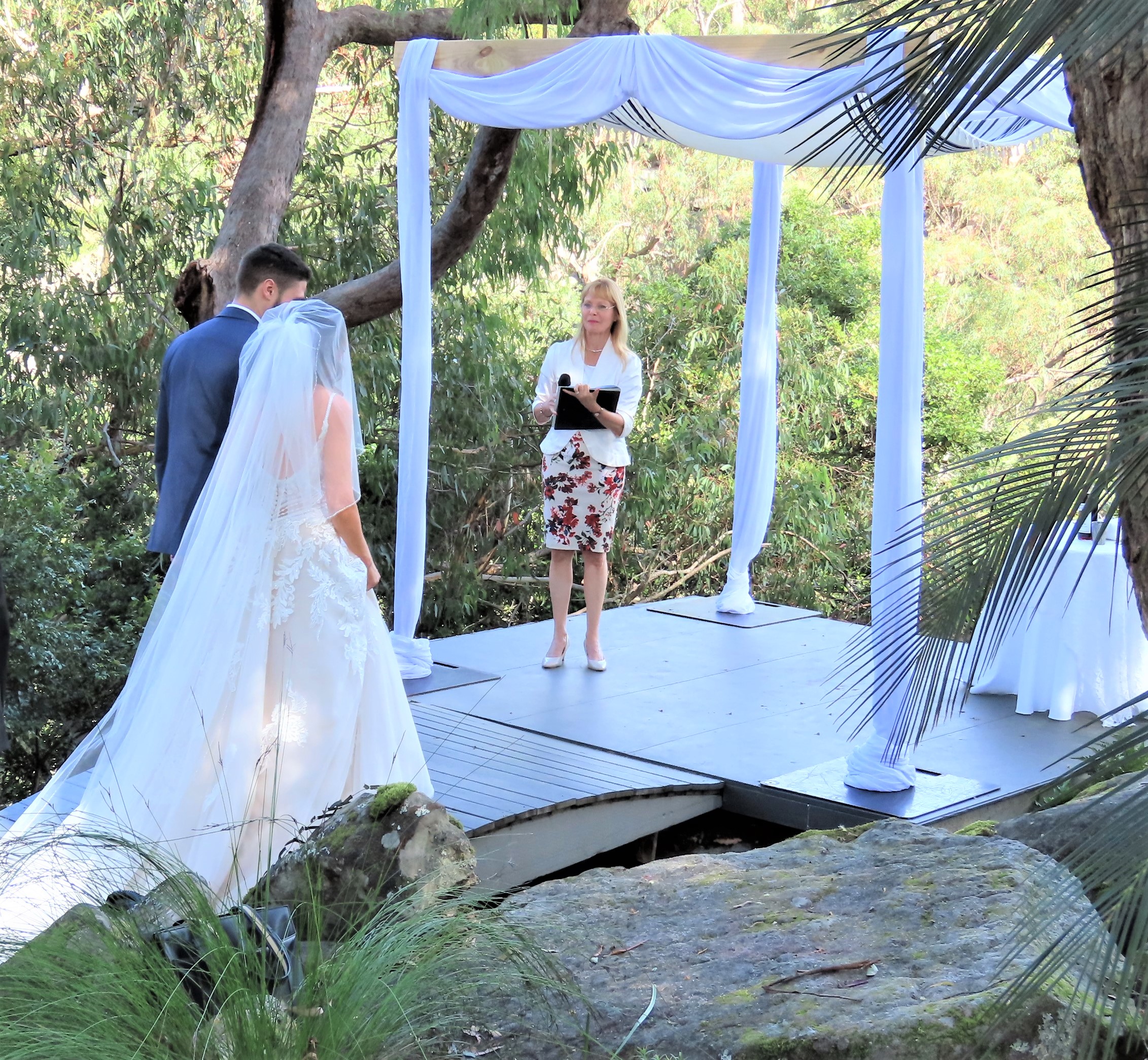
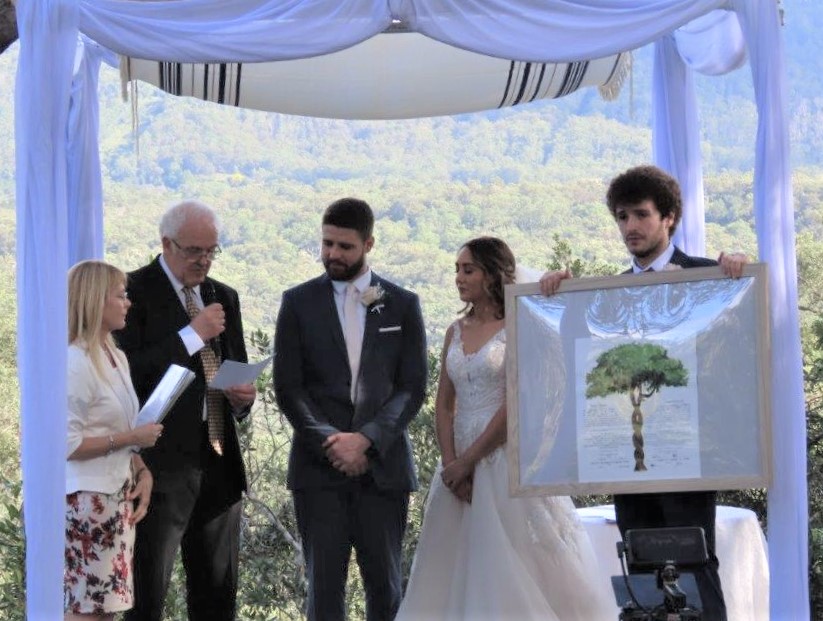
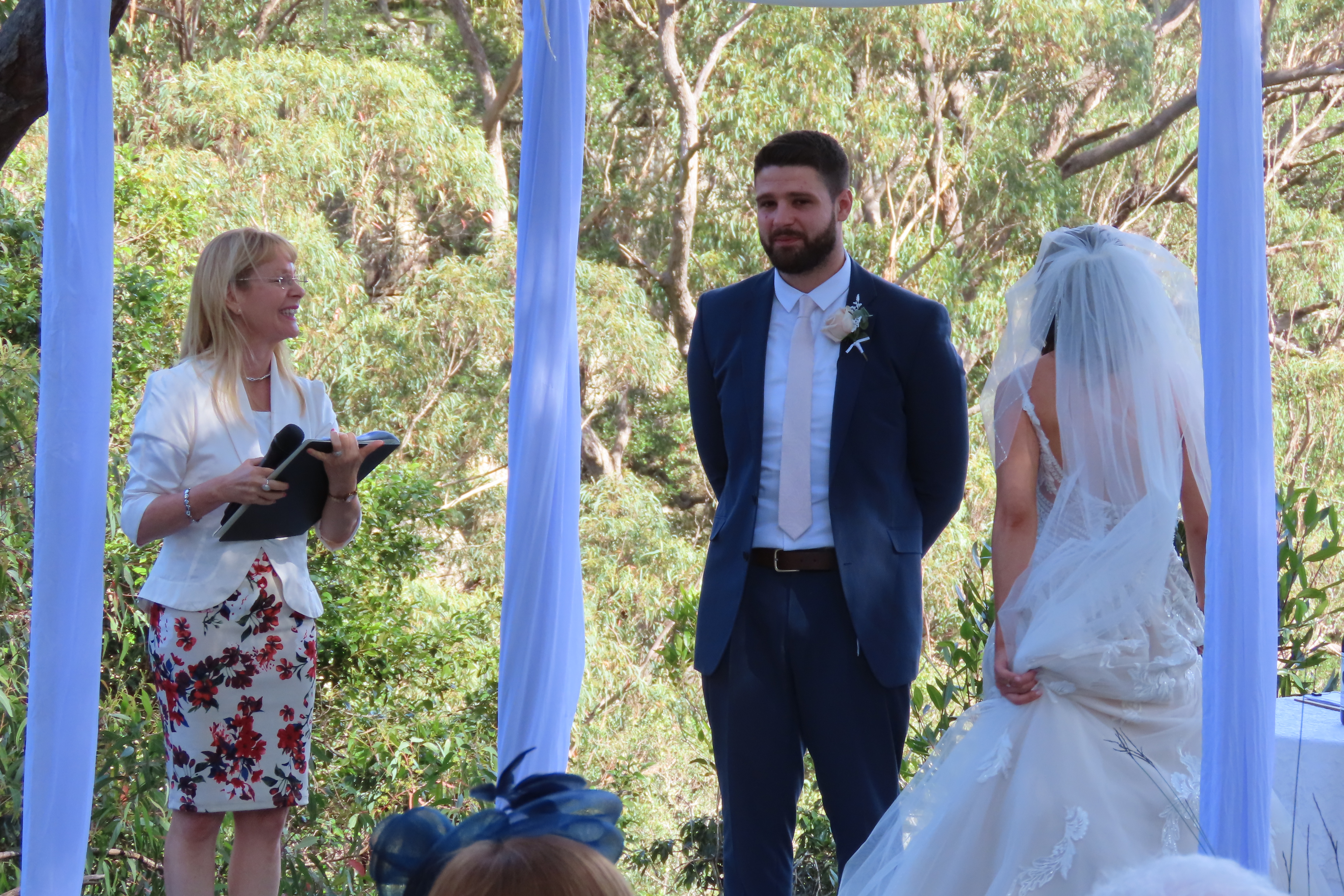
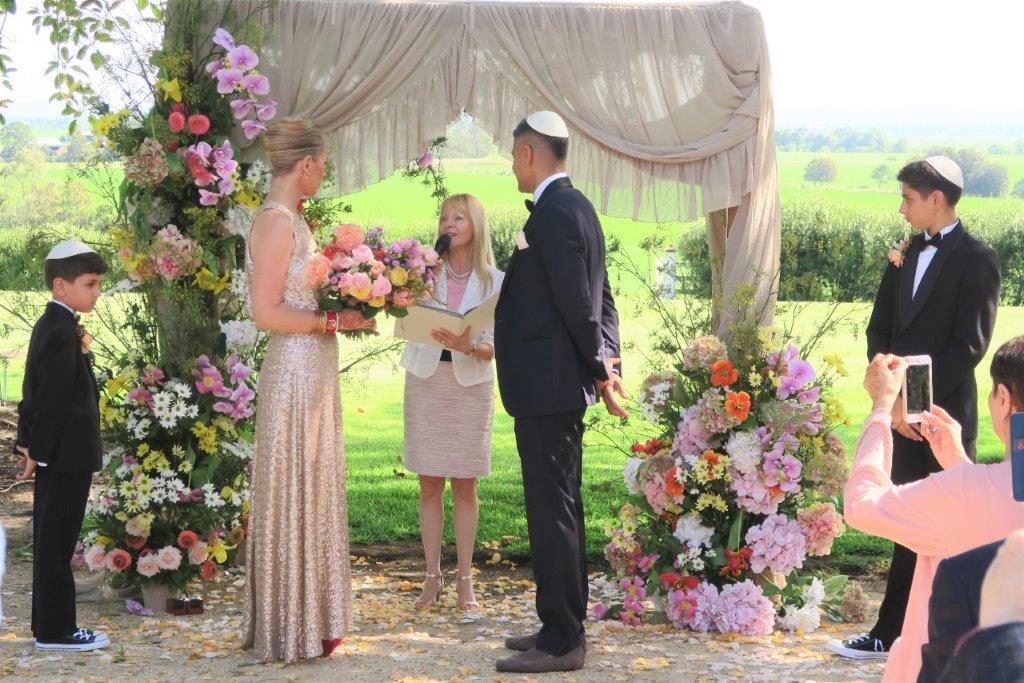
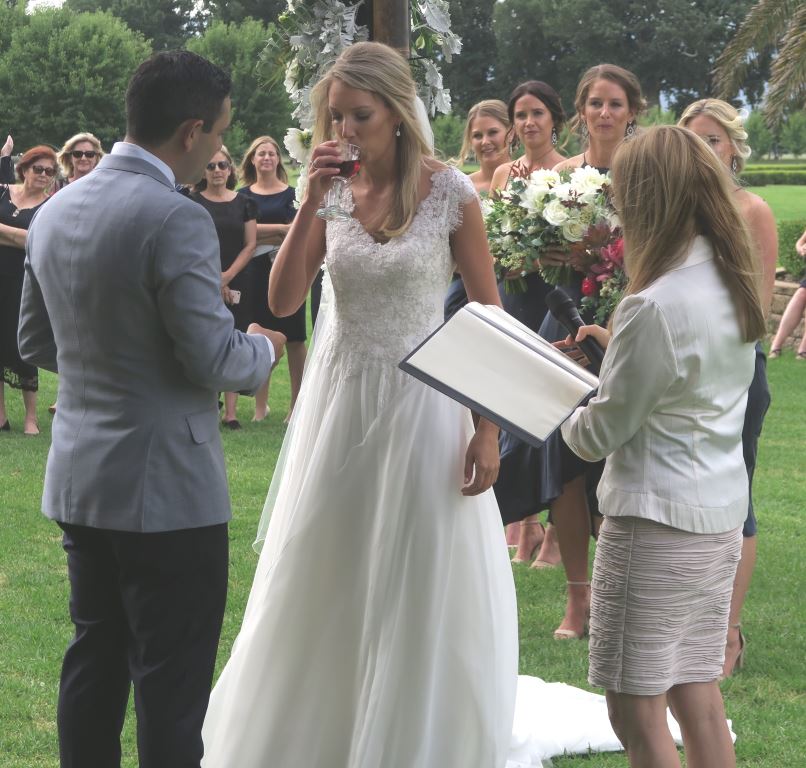
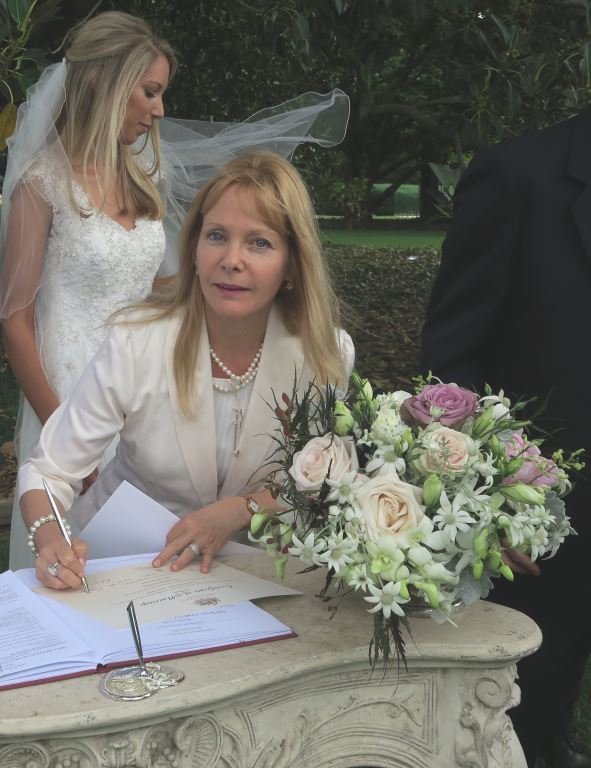
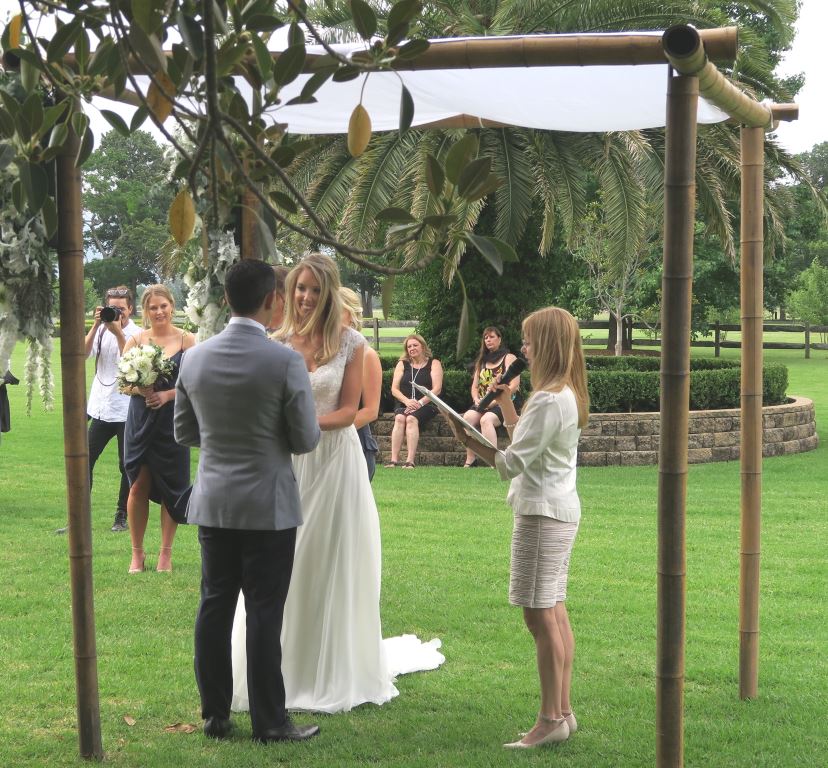
This was an interfaith wedding as the groom comes from a Jewish background, while the bride is from a Christian home. Hence, it was a lovely mixture of traditions.
The couple at this wedding chose to only include a few customs from the Jewish tradition.
The bride and groom chose to have kiddush and sipped from the kiddush cup while I recited the blessing.
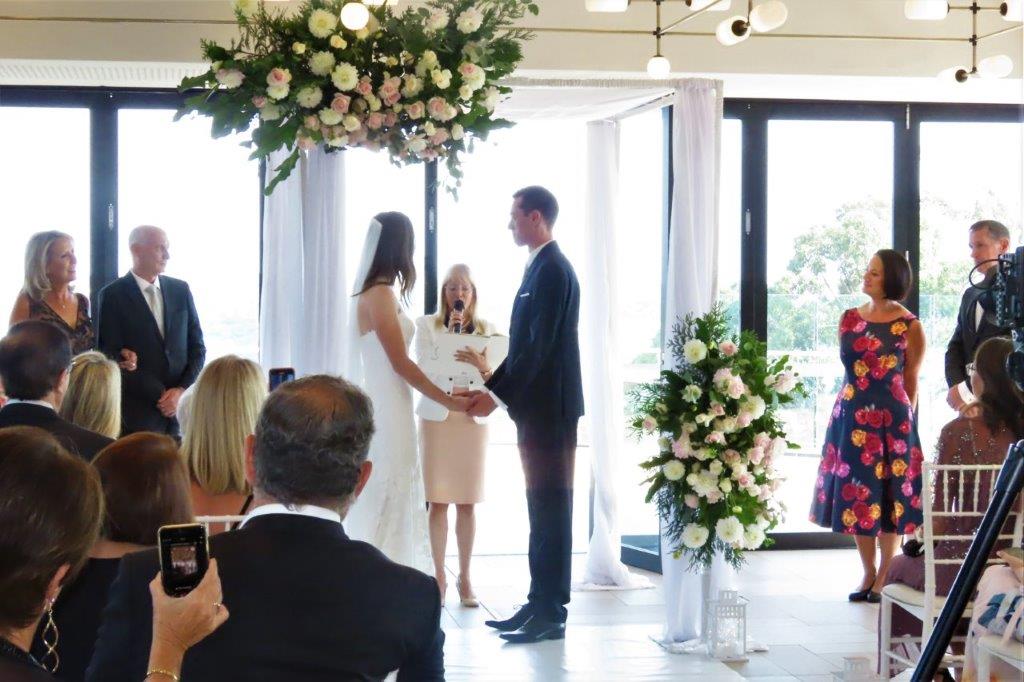
At this wedding ceremony, the bride and groom, of course, had their preferences and how they wanted the whole ceremony to flow. So the bride’s dad walked her down the aisle while the groom and I waited under the chuppah. The Chuppa was beautifully decorated with flowers.
💛 Client Testimonials

Wedding Testimony 1
“An ideal celebrant, offering great communication and always going the extra step to make sure the day is exactly to your liking. Our ceremony was just what we wanted, and our guests loved it too – a large part due to Orna. Thanks again for helping make that night so special” David & Tracy 4/2016
Wedding Testimony 2
“Shalom Orna
Thank you so much for your part in making yesterday such a wonderful wedding celebration not only for Eran and Jasmin but for Yehuda and myself, both the families and friends.
I am so pleased that Jasmin and Eran found you!
One even commented that many a rabbi could learn a thing or two from you!
Keep up the good work and I will certainly be recommending you should the occasion arise.
All the best.
Kind regards
Maureen and Yehuda Kam, “8/2/2016
Wedding Testimony 3
“Orna, we cannot thank you enough for making our wedding day so very, very special. When looking for a wedding celebrant, we were after someone with whom we could establish a genuine connection. We wanted to create a ceremony that was reflective of both our Jewish and Christian traditions. You are an absolute perfectionist; your kind, caring, gentle nature, coupled with your willingness to go the extra mile – nothing was ever too much trouble. The ceremony was meticulously planned, including a beautiful presentation folder containing the full script. From the bottom of our hearts, thank you. We are eternally grateful. Dave & Sash xx “April 2014
Wedding Testimony 4
“Having Orna marry my husband and I was an absolute blessing. I could not have asked more a more seamless, relaxing day. Orna organized everything for us, assisting us with the entire ceremony, and including exactly what we requested. While I am Catholic and my husband Jewish Orna was able to incorporate parts of both traditions to our ceremony, which is exactly what we had hoped for but not thought was possible. So thank you Orna for a magical day! So we will never forget it. Exactly what we had dreamed and hoped for on our wedding day. xxxxx Many hugs and thanks, ROBYN & YORAM ” September 2013
Wedding Testimony 5
We loved working with Orna as she made the whole process so simple and easy. So the script for the ceremony was tailored the way we wanted and we were able to combine elements from both our cultures to create an experience that was uniquely us.
Thank you Orna for helping make our day special and memorable.
Wendy & Isaac December 2016
Wedding Testimony 6
Wedding Ceremony Therese & John, November 2017
Another beautiful wedding I officiated at the Mint, Sydney. An historical sandstone building just in the heart of the city.